

What Are the Signs and Symptoms to Look For?
How is bipolar disorder diagnosed? Bipolar disorder is primarily characterized by mood swings. Everyone will experience these a bit differently. Most people who live with bipolar disorder bounce between depressive-low and manic-high mood swings.
Each type of episode (manic episode or depressive episode) can last for several days, or several weeks, depending on the person and the severity of symptoms. Many people with bipolar disorder fluctuate rapidly between depression and mania.
Some people with this mental health condition have weeks or longer when their moods are neutral and stable. Eventually, however, the episodic cycle resumes, moving between depression and mania.
According to the The Diagnostic and Statistical Manual of Mental Disorders, Fifth Edition (DSM-5), some key signs psychiatrists look for when diagnosing bipolar disorder include:
- Grandiose thoughts or feeling enormously powerful
- Suicidal thoughts or intense feelings of self-hatred
- Trouble completing tasks or concentrating
- Loss of interest in activities once enjoyed
Other bipolar symptoms include making high-risk decisions, impulsive behavior, diminished need for sleep, and feeling high, tense, or elated.
A bipolar disorder diagnosis requires a minimum of 1 manic or hypomanic episode and 1 depressive episode. Either one without the other will not justify a BD diagnosis.
Similar conditions to bipolar disorder
There are several other mental health conditions that cause similar mood symptoms to bipolar I disorder or bipolar II disorder. These must be ruled out by a mental health professional prior to diagnosis and are a big part of why a BD diagnosis can be so difficult to get. Further, many people have bipolar disorder and one or more other mental health conditions, making diagnosis even more challenging.
Research tells us that many people with bipolar disorder have comorbid (coexisting) conditions like anxiety disorder, substance abuse or misuse disorder, or attention deficit hyperactivity disorder (ADHD), all of which can have symptoms similar to bipolar.
Additionally, medical co-morbidities are common, too. Metabolic syndrome, obesity, and diabetes are all more commonly diagnosed in people with bipolar disorder.
Preparing for a Bipolar Disorder Diagnosis
How is bipolar disorder diagnosed? If you experience depressive and manic symptoms indicative of bipolar disorder and are considering trying to get a diagnosis, the best place to start is by visiting a mental health professional.
You’ll likely be scheduled for a physical examination along with an appointment to sit down and discuss some basic information, including your symptoms, medical history, life experiences, and family history.
Depending on your interview and physical exam results, you can be further referred to a psychiatrist who specializes in bipolar disorder treatment for a more in-depth mental health assessment.
While these traditional steps are crucial, there’s also a supplementary path available through Talkspace. Talkspace provides a platform to connect with online mental health providers experienced in diagnosing and treating bipolar disorder, offering personalized assessments and treatment plans.
No matter who you go to, getting a diagnosis will be different depending on age.
Bipolar diagnosis for adults:
Be prepared for a psychiatrist to ask you questions like:
- Do other members of your family have bipolar disorder or other mental health conditions?
- What are the differences in your thoughts during manic episodes vs depressive episodes?
- Do you have a current or past substance misuse or abuse problem?
- When you’re going through a manic episode, how long will it typically last?
- At what age did you begin experiencing symptoms?
- Do you experience any self harm or suicidal thoughts?
- Do you take any medication?
- Have you ever been diagnosed with any other physical or mental health conditions?
A psychiatrist might also want to speak with your family, spouse, children, or other loved ones to better understand your symptoms and situation.
Bipolar diagnosis for children:
Bipolar can be diagnosed at any age. Because symptoms can mimic many other conditions, however, it’s often misdiagnosed as depression, anxiety, attention deficit disorder (ADHD), or conduct disorders. Just like when diagnosing adults, there’s no diagnostic test that can determine if a child has bipolar disorder.
A psychiatrist will ask several questions relating to a child’s behavior and mood before making a diagnosis. They can include things such as:
- How long does the child sleep every night on average?
- How common and often are emotional outbursts?
- How common and often is the mood episode happening, is it intense irritability and aggressive behavior?
They’ll also want to discuss family history and will most often rule out thyroid dysfunction.
“Bipolar simply means that the mood symptoms are fluctuating between two different poles. A lot of people keep on getting worse with depression treatment and never get to the right diagnosis. Getting an accurate diagnosis is the key to the best treatment. It’s important to be honest with the psychiatrist and share the past mood symptoms as well as present ones. It’s also important to share any drug use or risky behaviors during the psychiatric assessment. It’s not that simple to diagnose bipolar disorder by just filling out an online rating scale. An expert evaluation by a psychiatrist is also needed.”
— Muhammad Munir, Psychiatrist, MD, DFAPA
What Tests Are Used to Diagnose Bipolar Disorder?
Diagnosing bipolar disorder typically involves several distinct types of testing. A psychiatrist will have you fill out a mood questionnaire or other mental health checklist to guide the interview process.
They also may want to assess your urine, blood, or hair to check for the presence of illicit or prescription drugs that might be causing your bipolar symptoms.
While blood work can’t indicate the presence of bipolar disorder, it’s also useful in checking thyroid hormones, because depression is often linked to sluggish thyroid action (hypothyroidism).
Psychiatrists don’t typically depend on brain imaging or scans during a bipolar diagnosis. However, some neuroimaging can be helpful for making a targeted diagnosis of other conditions.
Because of this, sometimes a CT scan or an MRI may be ordered, particularly if you’ve experienced sudden behavior, thinking, or mood changes. Again, these tests are helpful in ensuring that no underlying neurological conditions are causing your symptoms.
Ruling out other conditions
As discussed, a psychiatrist will want to ensure no other potential medical or mental health conditions are of concern when making abipolar diagnosis. Some conditions that must be ruled out can include:
- Brain tumor
- Seizure disorders
- Cerebrovascular accidents (CVAs)
- Encephalitis, meningitis, or other infectious disease
They’ll also be on the lookout for Alzheimer’s disease, Parkinson’s disease, or other dementia-related conditions.
Wondering if you have bipolar disorder? Take this free online bipolar test today to learn more about symptoms and to find out how to get help.
How to Receive a Bipolar Disorder Diagnosis Through Talkspace
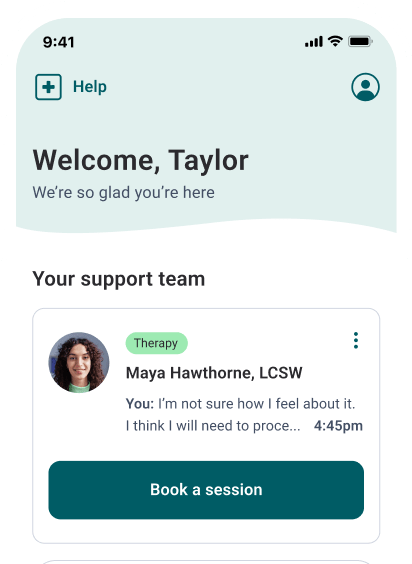
If you think you exhibit symptoms of bipolar disorder, a Talkspace provider can evaluate you and, if appropriate, issue a diagnosis. Simply answer a few questions online about yourself and your symptoms, then we’ll connect with a licensed provider for an assessment.
Talkspace makes it affordable to receive diagnosis and treatment for mental health conditions including bipolar disorder, with online therapy and psychiatry plans that take insurance. Your specific insurance company and health plan will determine your coverage and copays, but covered members typically have a copay that’s $25 or less. If your insurance doesn’t cover Talkspace, check with your employer to see if they pay for our mental health services directly (many do), or pay with your FSA/HSA card. If you need to pay out-of-pocket you’ll still pay less than you would at most in-person mental health providers.
Here’s how it works:
- Get started any time by answering a few questions on the Talkspace website or app. You don’t need a referral for either therapy or psychiatric care.
- You’ll be connected with a therapist within about two days or a psychiatric provider within about a week.
- If you choose to start with therapy you can message with your therapist as much as you like and also schedule live sessions. If you choose psychiatry you’ll schedule a live video session with your psychiatric provider.
Often bipolar disorder is most effectively treated with a combination of medication and talk therapy. Online therapy helps you manage symptoms and develop coping skills, while online psychiatry addresses the physiological basis or your symptoms, usually with a prescription for medication and ongoing medication management.
How to Treat Bipolar Disorder
If you or someone you love is living with bipolar disorder, it’s especially important to seek professional treatment to prevent manic and depressive symptoms from getting worse. Bipolar disorder is a chronic mental health condition, and it’s lifelong in most cases. Without effective treatment, the symptoms of bipolar disorder may worsen and a mood episode can last significantly longer. Mania (extreme highs) can occur for anywhere from 3 to 6 months at a time, and a depressive episode (extreme lows) can commonly last for 6 to 12 months. This is why an early bipolar disorder diagnosis and prompt treatment plan in place is so essential.
If you’re curious about how to treat bipolar disorder, keep reading. We’re discussing effective treatment options, including psychotherapy and ways to treat bipolar disorder at home to enhance treatment effectiveness.
Therapy for Bipolar Disorder
For decades, prescription medications were used as the first-line treatment option for how to treat bipolar disorder. However, research now shows that long-term success rates for treating bipolar disorder with only a mood stabilizer, antipsychotics, anti-anxiety meds, and antidepressants are relatively low. Additionally, the adverse side effects of bipolar disorder medication remain a problem for many people. There’s good news, though. Studies show that combining structured psychotherapy (talk therapy) with bipolar medication can reduce the time it takes to see a positive treatment response by as much as 150%.
Read on to learn about five different therapies for bipolar disorder that are known to be effective for bipolar symptom management. They may even help reduce your need for or improve the results of prescription bipolar disorder medication.
Cognitive Behavioral Therapy (CBT)
CBT is a widely used therapy for bipolar disorder. Cognitive therapy involves restructuring thoughts and behaviors to produce better outcomes in your life. When you use CBT, you learn how to be mindful of the thoughts, feelings, and behaviors that might be resulting in inappropriate or negative reactions.
One effective strategy that’s used in this type of bipolar disorder therapy includes role playing, which prepares you to face potentially difficult or problematic interactions.
Cognitive behavioral therapy also often incorporates various techniques for calming the mind and relaxing the body, like:
- Mindfulness meditation
- Yoga
- Spending time in nature
- Enjoying creative outlets like music, poetry, art, and dance
“CBT helps identify negative thoughts and how they impact behaviors. When a person is depressed, they tend to engage in negative thinking more often. CBT can help challenge those cognitive distortions and replace negative thoughts with more positive ones.”
— Bisma Anwar, Licensed Mental Health Counselor (LMHC), MA, MSc
CBT for bipolar disorder is known to have multiple benefits, including:
- Increased stabilization of mood
- Improved cognitive and behavioral skills
- Increased awareness of triggers
- Improved ability to manage manic and depressive symptoms more effectively
Many people who live with bipolar disorder I or bipolar disorder II find that cognitive behavioral therapy helps them remain productive at work, improves their interpersonal relationships, and enhances their overall quality of life.
According to 2021 research , CBT is a unique type of therapy for treating bipolar disorder. This bipolar disorder treatment option is a flexible approach that’s beneficial across all of the stages seen in the disorder, with the exception of acute mania.
Overall, evidence supports using cognitive behavioral therapy for bipolar disorder because it can help ease bipolar disorder symptoms, improve cooperation with drug treatment protocols, help you recognize developing manic or depressive symptoms and take action to prevent them, and help treat co-morbid (additional) conditions.
Dialectical Behavioral Therapy (DBT)
DBT is a subtype of cognitive behavioral therapy. It was originally developed to treat people living with borderline personality disorder (BPD) and people who were chronically suicidal. Today, this transdiagnostic modular treatment protocol is the standard for treating various conditions, including eating disorders, post-traumatic stress disorder (PTSD), chronic depression, drug addiction, and bipolar disorder.
Dialectical behavioral therapy is based on four key components:
- Mindfulness
- Distress tolerance
- Emotion regulation
- Interpersonal effectiveness
Research shows mounting evidence that bipolar disorder can cause difficulty with emotion regulation. DBT for bipolar disorder can directly target this symptom, thus making it a likely effective adjunct cognitive therapy modality to help improve emotion regulation.
“DBT can help someone with a bipolar diagnosis manage their negative emotions and tolerate distress. Individuals with bipolar can be impulsive and lack insight, and both of these can be addressed through DBT.” — Bisma Anwar, Licensed Mental Health Counselor (LMHC), MA, MSc
Family-Focused Therapy (FFT)
Family-focused therapy for bipolar disorder teaches family members to be aware of the warning signs of both mania and depression. In addition to awareness and education, a therapist will also work with families to enhance group communication skills.
The goal of this kind of talk therapy is to increase open communication in the household, improve trust levels between family members, and make everybody part of the same team. This can ultimately allow everyone to identify manic symptoms or depressive symptoms easier and earlier. A proactive approach like this can often prevent or lessen the severity of the manic or depressive episode.
Unfortunately, many people with bipolar disorder I or bipolar disorder II choose not to involve family in their therapy. They might want to deal with their condition on their own in an effort to not burden their loved ones or they are estranged from their family. However, it can be so beneficial for the entire family to get involved in therapy if possible.
“In FFT, families are educated on the signs and symptoms of bipolar disorder so that when the diagnosed person exhibits these bipolar disorder symptoms, the family can step in and support them.”
— Bisma Anwar, Licensed Mental Health Counselor (LMHC), MA, MSc
Interpersonal and Social Rhythm Therapy (IPSRT)
IPSRT therapy for bipolar disorder is typically used as an adjunct therapy, using specific techniques to improve stress management skills, decrease social rhythm disruption, and better-ensure medication compliance. You’ll learn novel skills to help prevent future episodes of mania or depression, or at least decrease frequency and severity when a mood episode or depressive episode does occur.
Using interpersonal and social rhythm therapy can also help you understand your triggers. Sometimes triggers can center around routine habits like the foods you eat, how active you are, and how well you sleep.
According to research, the goal of IPSRT is to increase regularity of daily routines, including addressing erratic sleep/wake cycles, ensuring consistency of meal times, and establishing beneficial rest/activity habits.
Group Psycho-education
Many people with bipolar disorder find it helpful to get together with a group of other people who live with the condition. Most types of bipolar disorder therapy encourage group psycho-education. It focuses on enhancing an ability to remain mindful and aware of your thoughts and feelings so you can behave appropriately, regardless of the situation.
According to researchers, group therapy can be extremely successful and beneficial in preventing relapse. More research is still needed, but it’s a hopeful form of bipolar disorder treatment to add into your overall care plan.
Bipolar Disorder Medications
Knowing how to treat bipolar disorder involves gaining an understanding of common medications used to decrease the intensity or frequency of symptoms. It’s important to understand that there are various medications used to treat bipolar disorder. It will likely take some time and experimentation to find which one or ones work best for you.
Be aware that many of the medications for bipolar disorder are associated with the possibility of adverse side effects. That’s why it’s so essential you be willing to use medication, therapy, and self-care techniques if you hope to gain the maximum benefit possible from your bipolar disorder treatment plan. Combining treatment modalities offers the best hope that you’ll be able to one day, with the prescribing doctor’s approval, decrease your dosage.
Some of the following medications can be prescribed to treat bipolar disorder.
Lithium
Lithium has been used in psychology since the mid-19th century. Though its use wasn’t consistent, its popularity increased again in 1949 when it was applied to treat mania. For the last 70 years, lithium has been used to treat depression, mania, bipolar disorder, schizophrenia, and other related conditions.
Is lithium effective for bipolar disorder? It can be. For some people, a lithium prescription can help prevent intense highs and lows associated with the condition. However, it’s also linked to thyroid and kidney problems and might have dozens of other possible side effects. It may also interact with numerous other medications, so caution and supervision must be used.
Anticonvulsants
Anticonvulsants used as mood stabilizers are among the various medications prescribed for controlling symptoms of bipolar disorder. They’re also commonly used for treating mood disorders, neuropathic pain, migraines, certain brain disorders, and seizures associated with epilepsy.
Research shows that anticonvulsants have serious but common side effects. For some, the effects can seriously limit the tolerability of these medications. Known side effects might include cognitive impairments such as sedation, gastrointestinal problems, weight gain, and tremors. Though rare, due to hypersensitivity, some people may occasionally experience bone marrow, skin, and hepatic toxicity, liver problems, or skin rashes.
Anticonvulsants used to treat bipolar disorder:
- Depakote
- Lamictal
- Depakene
- Tegretol
- Topamax
Antidepressants
Antidepressants typically aren’t the first line of treatment, or the only medication used, for bipolar disorder. However, they can be used, especially initially, to control depression until other forms of treatment begin taking effect. The tricky part about the use of antidepressants is that research about their efficacy is inconclusive and even disagrees from study to study.
SSRIs used to treat bipolar disorder:
SNRIs used to treat bipolar disorder:
- Pristiq
- Cymbalta
- Effexor
Tetracyclic antidepressant used to treat bipolar disorder:
- Amitriptyline
- Norpramin
- Tofranil
Holistic Treatment for Bipolar Disorder
Many people wonder how bipolar is treated using alternative methods (or if it even can be). The answer to this question is yes, many holistic methods can help supplement or perhaps even reduce the need for medication. While collaborating with a therapist is integral for coping with the symptoms of bipolar disorder long-term, what you choose to do in your life while you’re not with a therapist can be even more important.
Knowing how to treat bipolar disorder often involves more than just sticking to a medication protocol or the benefits you gain from working with a therapist. It can include deep personal work for the rest of your life.
Consider various easy-to-employ lifestyle changes you can put into place, beginning today, including:
- Developing a productive routine and sticking to it every day
- Drinking plenty of water each day to keep your body hydrated
- Practicing mindfulness meditation to stay in touch with your thoughts and feelings
- Eating a healthy diet based on assorted colors of plants, lean meats, and single-ingredient foods
- Moving your body daily with moderate exertion to stimulate blood flow and lymphatic action
- Avoiding processed, sugar-loaded, or deep-fried food
Self-care techniques like those listed above can accentuate the positive effects of your medication and therapy. Bipolar disorder is a lifelong challenge to face and conquer. The more you love and care for yourself, the more likely you’ll be to overcome the symptomatic challenges of the condition, so you can live a happy, healthy, productive life.
“While bipolar disorder is a chronic disorder, ensuring you have a great team of mental health professionals to support you is key to living a wonderful life with this disorder. Early intervention and psychotherapy, combined with taking your prescribed medications and healthy stress management, are all extremely important. Know that if you have bipolar disorder, you’re not alone, and there is great support out there for you.”
— Kate Rosenblatt, Licensed Mental Health Counselor (LMHC), Licensed Professional Counselor (LPC), MA
Find Treatment for Bipolar Disorder with Talkspace
Now that you better understand how to treat bipolar disorder, you know how important it is to reach out to a mental healthcare professional. If you experience intense mood swings that bounce between depression and mania, you should find out if you might be dealing with bipolar disorder. Early diagnosis and prompt treatment are key to successful symptom management in the long term.
An online therapy platform like Talkspace can connect you with an experienced, qualified therapist who’s skilled at treating bipolar disorder. The best part about Talkspace is that it’s therapy, when and how you need it. Convenient, affordable, accessible mental health help that’s designed with you, your schedule, and your needs in mind.